
Why Smart Designers Are Choosing Waterless Water Features in 2026

As we move into 2026, the design world is witnessing a remarkable shift toward innovative water features that deliver stunning visual impact while addressing modern sustainability and maintenance concerns. Smart designers, architects, and builders are increasingly turning to waterless water features: specifically maintenance-free waterwalls: as the go-to solution for creating memorable spaces without the traditional headaches of water management.
The 2026 Design Revolution: Less Water, More Impact
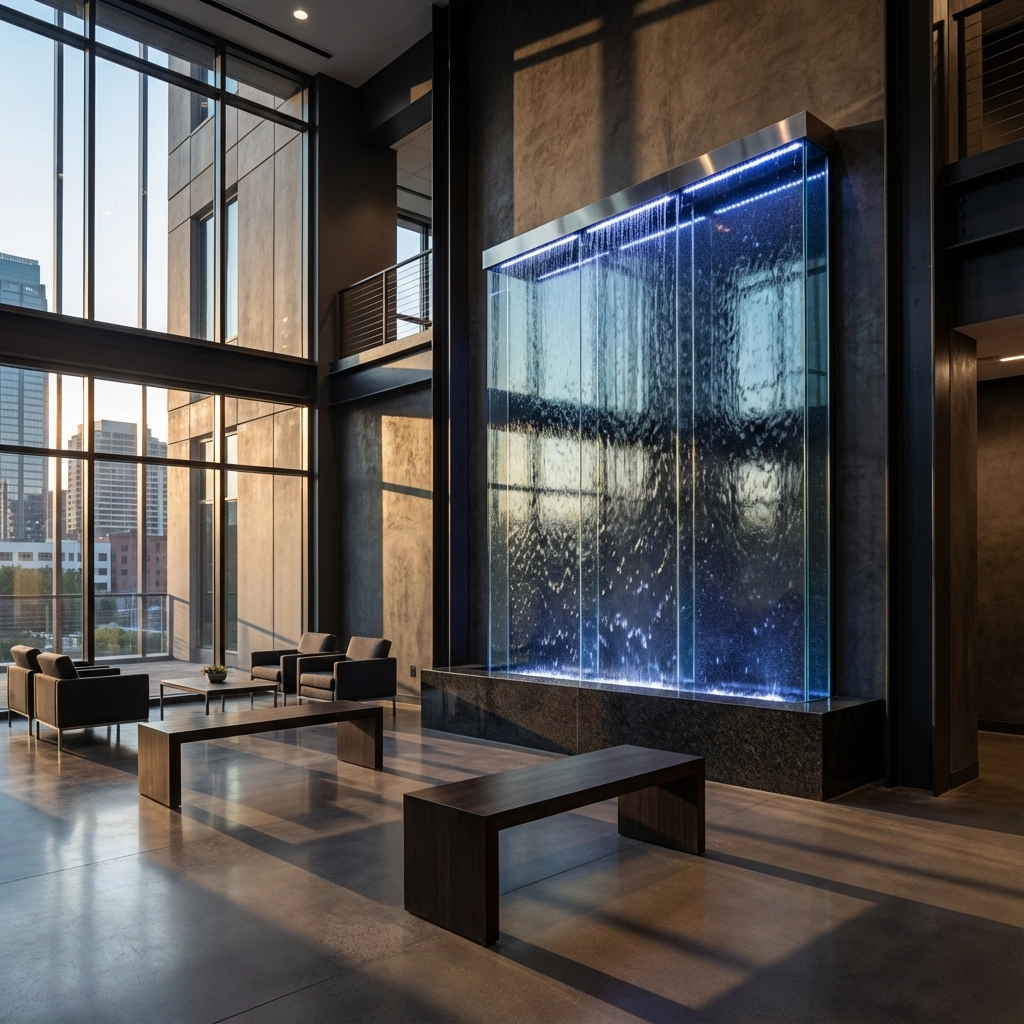
The concept of "waterless" water features might seem contradictory at first, but it represents a breakthrough in sustainable design thinking. LL Waterfall Design's waterwalls use our exclusive L2O Liquid, providing a complete water alternative that never needs replacement or refilling. This patented liquid enables a maintenance-free, stunning waterwall experience—without water at all.
What's driving this trend? Today's design professionals face unprecedented demands from clients who want both luxury and responsibility. They're seeking solutions that make bold design statements while aligning with environmental consciousness and practical living requirements.
Sustainability Meets Sophistication
Environmental responsibility has evolved from a nice-to-have feature to an essential design requirement. In 2026, sustainable design isn't just about using recycled materials: it's about creating systems that minimize resource consumption throughout their lifecycle.
Traditional fountains and water features can waste thousands of gallons annually through evaporation, splashing, and necessary water changes. Waterless waterwalls, powered by technologies like LL Waterfall Design's patented L2O Liquid, eliminate this waste by using L2O Liquid as a complete replacement for water—a full, innovative substitute within a closed-loop system. The L2O Liquid technology prevents algae growth and maintains crystal-clear water quality indefinitely, meaning no dumping and refilling cycles.
For LEED-certified projects and environmentally conscious clients, these features contribute valuable points toward sustainability certifications while delivering the luxury aesthetic that premium projects demand.
The Maintenance-Free Promise That Actually Delivers
Ask any facility manager about traditional water features, and you'll hear stories of constant pH balancing, algae treatments, pump failures, and seasonal shutdowns. These maintenance nightmares have made many designers hesitant to specify water features, despite their undeniable visual appeal.
The game-changer in 2026 is the advent of truly maintenance-free systems. LL Waterfall Design's L2O Liquid technology represents years of research into creating self-maintaining water systems. Unlike traditional water features that require weekly chemical treatments and monthly deep cleaning, these waterwall systems operate continuously with no intervention, requiring no maintenance at all.
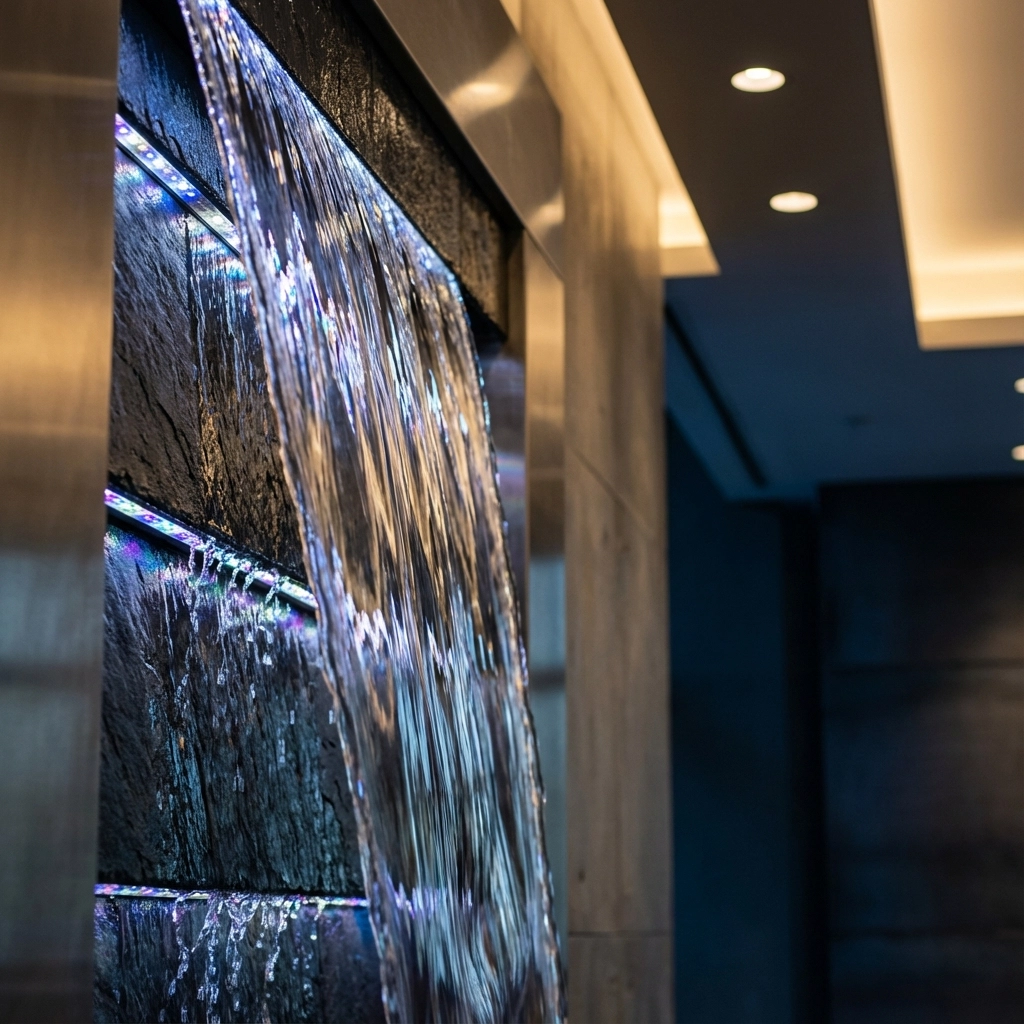
The L2O Liquid creates an environment where algae cannot establish itself, bacteria cannot proliferate, and the liquid remains pristine without chemical additives. This isn't just convenient: it's revolutionary for commercial applications where maintenance costs can quickly exceed the initial installation investment.
Smart Integration for Modern Spaces
Today's design professionals are working with clients who expect seamless technology integration. The water features of 2026 aren't just beautiful: they're smart. Modern waterless waterwalls come equipped with IoT connectivity, allowing remote monitoring and control through smartphone apps.
Designers can now specify water features with programmable lighting sequences, variable flow patterns, and automated seasonal adjustments. These systems integrate with building management systems, providing real-time performance data and predictive maintenance alerts.
For commercial spaces, this means water features can adapt to different events, times of day, or branding requirements. A hotel lobby waterwall might display subtle morning flows that intensify for evening entertainment, all controlled remotely by facilities staff.
Space Efficiency and Design Flexibility
Urban development pressures mean designers must maximize impact in minimal space. Traditional fountains require significant floor area, safety barriers, and substantial structural support. Waterless waterwalls offer the opposite approach: dramatic vertical impact with minimal footprint.
These wall-mounted systems can be integrated into existing architectural elements, serving as both functional art and space dividers. The sleek profiles of modern waterwalls allow for installation in areas where traditional water features would be impossible: elevator lobbies, narrow corridors, or intimate waiting areas.
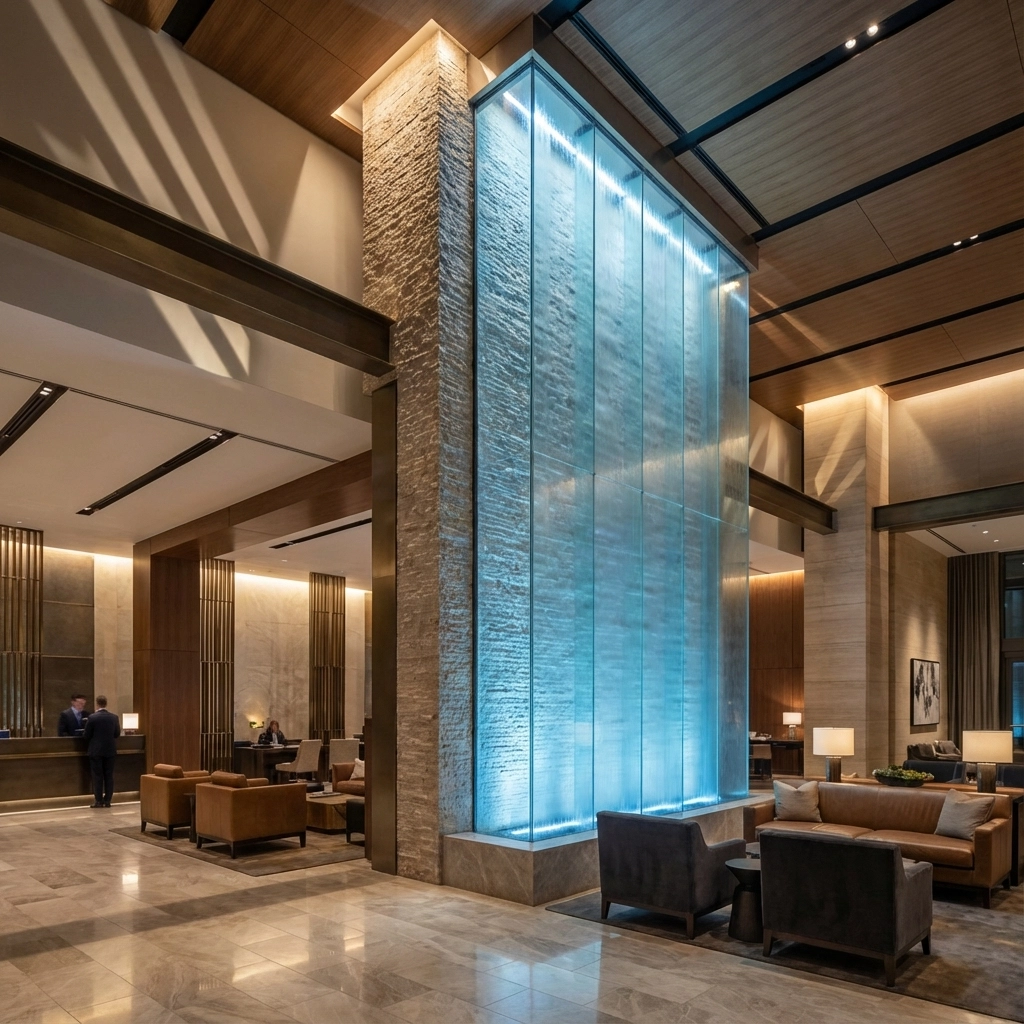
The design flexibility extends to customization options that weren't possible with traditional systems. Custom logos, corporate branding, or artistic elements can be seamlessly integrated into the waterwall surface, creating unique branded environments that reinforce corporate identity while providing the calming benefits of flowing water.
ROI That Makes Sense
Forward-thinking designers understand that beautiful features must also make financial sense. The total cost of ownership for waterless water features represents a dramatic improvement over traditional alternatives.
Initial installation costs are comparable to high-end traditional fountains, but the operational savings begin immediately. No chemical costs, minimal electricity consumption, no water waste charges, and completely maintenance-free LL Waterfall Design features create compelling long-term value propositions.
For commercial properties, the improved tenant satisfaction and reduced facility management headaches provide additional value that's difficult to quantify but impossible to ignore. Property managers consistently report higher satisfaction scores in buildings featuring well-designed water elements.
The Psychology of Water Without the Worries
The human response to moving water is deeply ingrained: the sight and sound of flowing water reduces stress, improves focus, and creates positive emotional connections to spaces. However, traditional water features often create subliminal anxiety about maintenance, cleanliness, and potential problems.
Waterless waterwalls eliminate these concerns while preserving the psychological benefits. Visitors experience the calming effects of water movement without any subconscious worries about stagnant water, chemical odors, or maintenance disruptions.
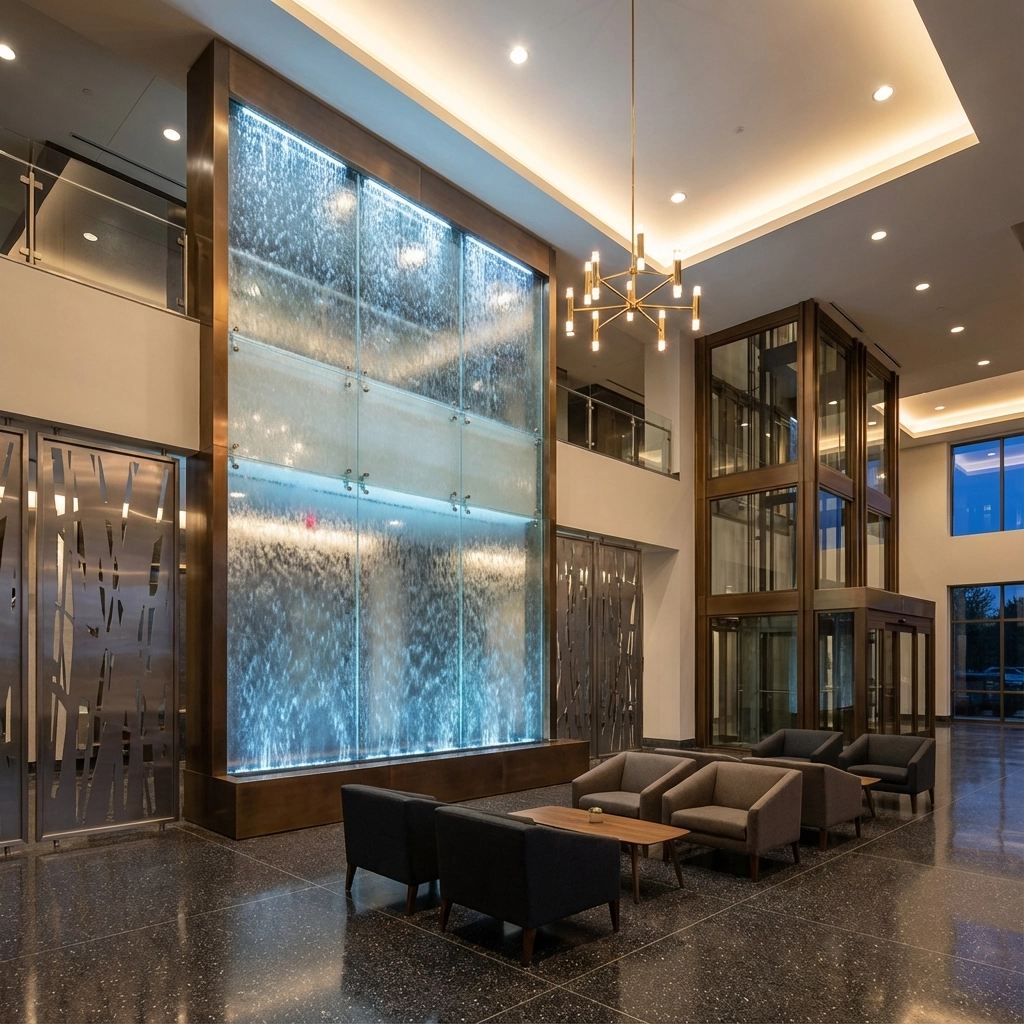
This psychological comfort extends to property managers and building owners, who can enjoy their water features without the nagging concern that something might go wrong when they're not watching.
Future-Proofing Design Investments
The design trends of 2026 reflect a broader shift toward future-proof solutions. Clients are increasingly asking for features that will remain relevant, attractive, and functional for decades, not just seasons.
Waterless water features represent this kind of forward-thinking investment. The technology platforms supporting these systems are designed for easy updates and enhancements, meaning today's installation can integrate tomorrow's innovations without replacement.
As building codes become more stringent around water conservation, and as client expectations continue to evolve toward sustainability and low maintenance, waterless water features position projects ahead of these curves rather than scrambling to catch up.
Making the Smart Choice
For design professionals evaluating water feature options in 2026, the decision often comes down to risk versus reward. Traditional water features offer familiar territory but come with known risks and limitations. Waterless water features require embracing newer technology but offer dramatically reduced risk profiles with enhanced capabilities.
The smartest designers are recognizing that this isn't really a choice between old and new: it's a choice between systems that create problems and systems that solve them. In an industry where client satisfaction and long-term relationships drive success, specifying solutions that consistently deliver positive outcomes without ongoing complications represents the kind of smart thinking that defines successful practices.
As we progress through 2026, the question isn't whether waterless water features will become the standard: it's whether your practice will lead this transformation or follow it. The smart money is on leading, and the smart designers are already making that choice.
Comments